

What Does Muscle Release Therapy Actually Do for Athletic Injuries?
Muscle release therapy is a hands-on technique used to relieve tension and pain in muscles and surrounding connective tissues, known as fascia. By applying gentle, sustained pressure to specific trigger points, therapists release tightness and improve mobility. This method is particularly effective for conditions such as chronic pain, sports injuries, and postural issues that restrict range of motion. At United Wellness & Sports Rehab, this approach is integrated into comprehensive sports medicine care to help athletes and active adults recover faster and move with greater efficiency. according to Introduction to Active
The Biological Mechanism of Tissue Release
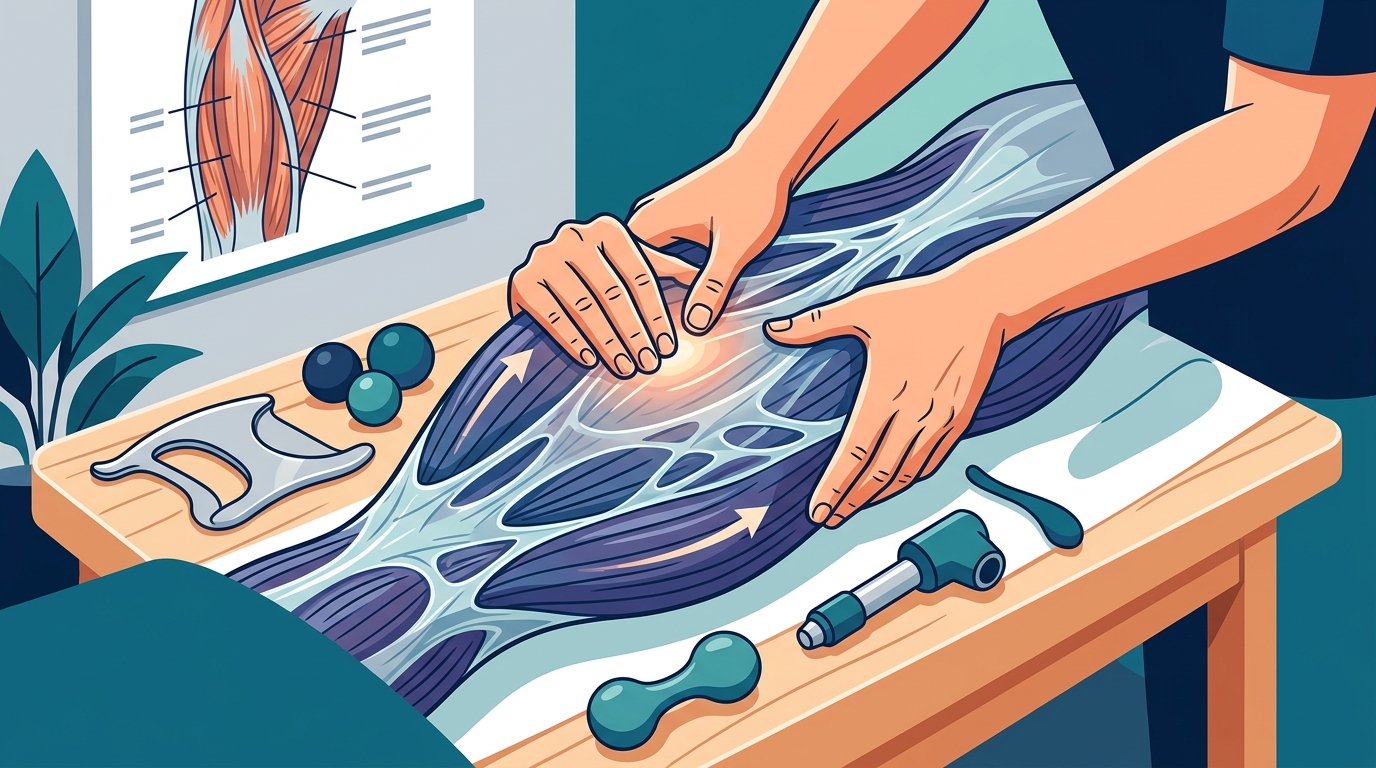
Understanding the role of fascia is critical to grasping how muscle release therapy works. Fascia is a web of connective tissue that surrounds muscles, bones, and organs. When an athlete overworks a muscle or sustains an injury, the fascia can become restricted or adhere to surrounding structures. These restrictions limit blood flow and nerve signaling, leading to pain and reduced performance.
By manually releasing these adhesions, the therapist restores the tissue’s elasticity and allows for smoother movement patterns. This process is not merely about relaxing a muscle; it is about restoring the structural integrity of the soft tissue matrix. For example, a runner with tight hamstrings may experience pain not just in the muscle belly, but in the fascial lines that connect the hamstring to the lower back and foot. Releasing these connections addresses the root cause of the stiffness rather than just masking the symptoms.
Addressing the Root Cause of Stiffness
Patients benefit from this therapy because it addresses the root cause of stiffness rather than just masking the symptoms. It helps reduce muscle spasms, decreases inflammation, and promotes faster healing of soft tissue. For weekend warriors and professional athletes alike, maintaining healthy fascia is essential for preventing secondary injuries caused by compensatory movement patterns.
When one area of the body is restricted, the body compensates by shifting load to other areas. This can lead to a cascade of injuries. For instance, a tight hip flexor can pull on the lower spine, causing back pain. By releasing the hip flexor, the therapist allows the spine to return to its neutral position. This holistic view of the body is a cornerstone of the care provided at United Wellness & Sports Rehab, where the goal is to treat the whole person, not just the symptoms of disease.
Integration with Physical Therapy and Chiropractic Care
Muscle release therapy is rarely used in isolation. It is most effective when integrated with other modalities such as physical therapy and chiropractic care. Physical therapy focuses on improving movement, reducing pain, and enhancing overall physical function. By combining manual release with targeted exercises, patients can strengthen the muscles that support the released tissues, preventing recurrence.
Chiropractic care complements this by addressing spinal alignment and nervous system function. A well-aligned spine allows for optimal nerve signaling to the muscles, which can enhance the effects of muscle release therapy. At United Wellness & Sports Rehab, these services are offered under one roof, allowing for a seamless, multidisciplinary approach to recovery. This integrated model ensures that patients receive comprehensive care that addresses both the structural and functional aspects of their injury.
Who Benefits from Muscle Release Therapy?
Muscle release therapy is beneficial for a wide range of individuals, including athletes, active adults, and those recovering from accidents. Athletes often use this therapy to maintain peak performance and prevent injuries. Active adults may seek it out to relieve chronic pain and improve mobility. For those who have sustained an injury from an accident, muscle release therapy can help restore function and reduce pain.
The therapy is particularly useful for individuals who experience pain that does not respond to traditional treatments. By addressing the fascial restrictions that underlie much of this pain, muscle release therapy can provide significant relief. At United Wellness & Sports Rehab, therapists work with each patient to develop a personalized treatment plan that addresses their specific needs and goals. This individualized approach ensures that patients receive the most effective care possible.
Key Takeaways
- Muscle release therapy is a hands-on technique that relieves tension in muscles and fascia.
- It addresses the root cause of stiffness by releasing adhesions in connective tissue.
- The therapy improves mobility, reduces pain, and prevents secondary injuries.
- It is most effective when integrated with physical therapy and chiropractic care.
- Benefits extend to athletes, active adults, and those recovering from accidents.
- Personalized treatment plans ensure that care is tailored to individual needs.
Frequently Asked Questions
How does muscle release therapy differ from massage?
While both involve manual manipulation, muscle release therapy specifically targets fascial restrictions and trigger points to restore tissue elasticity. Massage often focuses on general relaxation and blood flow, whereas muscle release aims to address structural adhesions.
Is muscle release therapy painful?
The therapy involves gentle, sustained pressure. Some patients may experience mild discomfort, especially when releasing tight areas, but it should not be painful. Therapists adjust the pressure based on patient feedback. according to The Role of
How many sessions are needed for relief?
The number of sessions varies depending on the severity of the restriction and the individual’s response to treatment. Some patients experience relief after one or two sessions, while others may require a series of treatments.
Can muscle release therapy help with chronic pain?
Yes, by addressing the fascial restrictions that often underlie chronic pain, muscle release therapy can provide significant relief. It is often used as part of a comprehensive pain management plan.
Do I need a referral to receive muscle release therapy?
At United Wellness & Sports Rehab, a referral is not always required, but it is recommended for insurance coverage. Patients can schedule an initial evaluation to determine if this therapy is appropriate for their condition.
Conclusion
Muscle release therapy is a powerful tool in the treatment of athletic injuries. By addressing the root cause of stiffness and pain, it helps patients recover faster and move with greater efficiency. At United Wellness & Sports Rehab, this therapy is integrated with physical therapy and chiropractic care to provide comprehensive, multidisciplinary treatment. Whether you are an athlete, an active adult, or someone recovering from an injury, this approach can help you achieve your health and performance goals. To learn more about how muscle release therapy can benefit you, schedule an appointment today.