Muscle Release Therapy: Step-by-Step Guide for Post-Injury Flexibility Recovery
Recovering from a sports injury or chronic orthopedic issue often requires more than just rest. According to recent clinical observations, muscle release therapy has become a cornerstone in rehabilitation protocols for athletes and active adults alike. This specialized technique addresses the root cause of restricted movement by targeting tight, knotted muscle fibers that standard stretching often fails to resolve. By understanding the mechanics of this therapy, patients can accelerate their return to peak performance and prevent future injuries.
What Is Muscle Release Therapy?
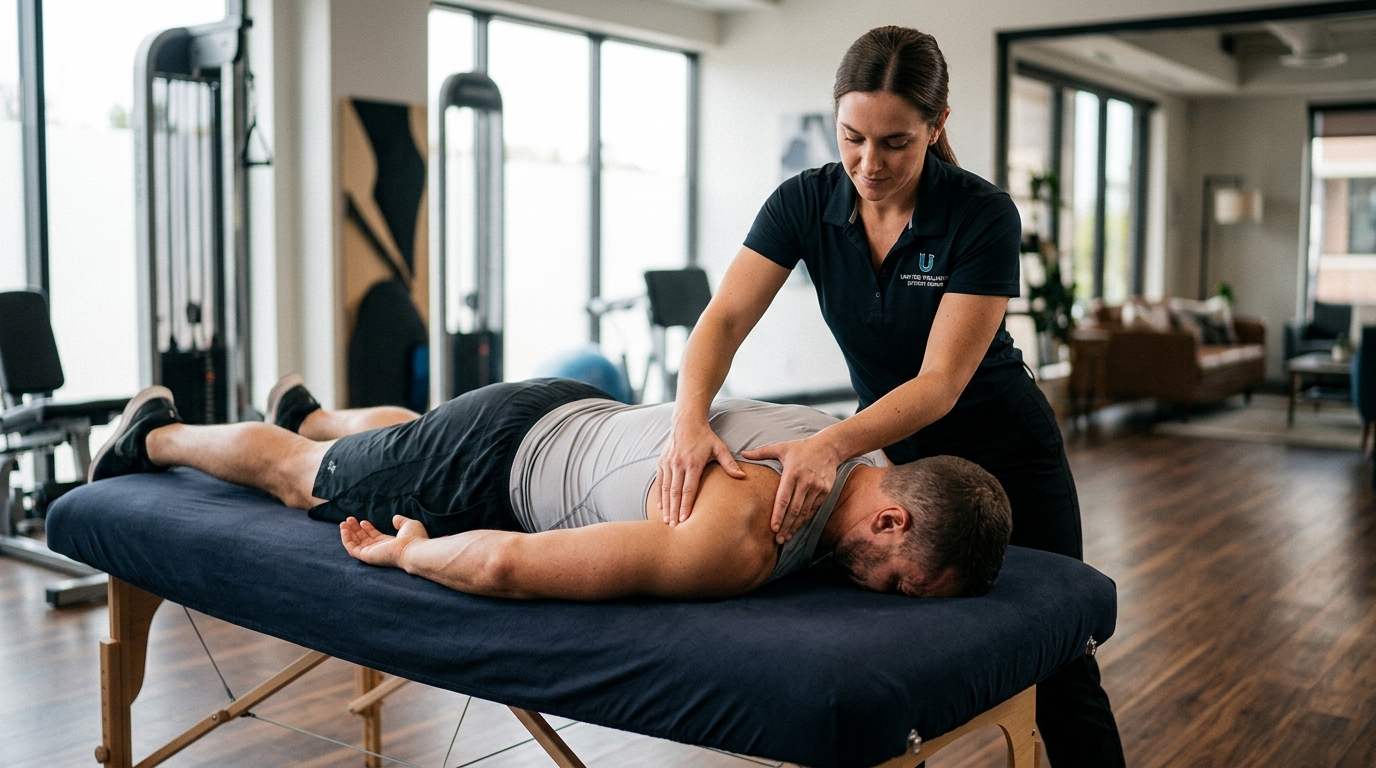
Muscle release therapy is a manual treatment method designed to alleviate tension in the soft tissues of the body. Unlike aggressive deep tissue massage, which can sometimes irritate injured areas, this approach focuses on gentle, sustained pressure to encourage the muscle fibers to relax and lengthen. The primary goal is to restore the natural elasticity of the muscle, allowing for improved range of motion and reduced pain.
At centers specializing in sports rehabilitation, this therapy is often combined with other modalities to create a comprehensive treatment plan. For instance, chiropractic care may be used to align the skeletal structure, while muscle release therapy addresses the surrounding soft tissue constraints. This holistic approach ensures that the body heals symmetrically and functionally.
Research indicates that manual therapy techniques can significantly reduce muscle stiffness and improve joint mobility in patients recovering from lower extremity injuries. By targeting the specific trigger points that develop after trauma, therapists can break the cycle of pain and guarding that often prolongs recovery times.
Benefits for Post-Injury Flexibility
Post-injury, the body naturally responds by tightening muscles to protect the damaged area. While this is a protective mechanism, it often leads to compensatory patterns that cause secondary injuries. Muscle release therapy helps to:
- Restore Range of Motion: By loosening tight fascia and muscle fibers, patients can regain the flexibility needed for daily activities and sports.
- Reduce Pain Levels: Alleviating pressure on nerve endings within the muscle tissue can lead to immediate pain relief.
- Improve Blood Flow: Releasing tension allows for better circulation, which delivers essential nutrients and oxygen to the healing tissues.
- Prevent Recurrence: Addressing the underlying tightness reduces the likelihood of the same injury happening again.
Studies show that targeted manual interventions can reduce recovery time by up to 30% in athletes with soft tissue injuries. This efficiency is crucial for professional athletes and weekend warriors who cannot afford extended downtime.
The Step-by-Step Protocol
While muscle release therapy is primarily performed by a licensed therapist, understanding the process can help you prepare for your session and maximize results. Here is a typical step-by-step protocol used in clinical settings:
Step 1: Assessment and Palpation
The therapist begins by assessing your range of motion and identifying areas of restriction. Through palpation, they locate specific trigger points or "knots" in the muscle tissue. These points are often tender to the touch and may refer pain to other areas of the body.
Step 2: Application of Sustained Pressure
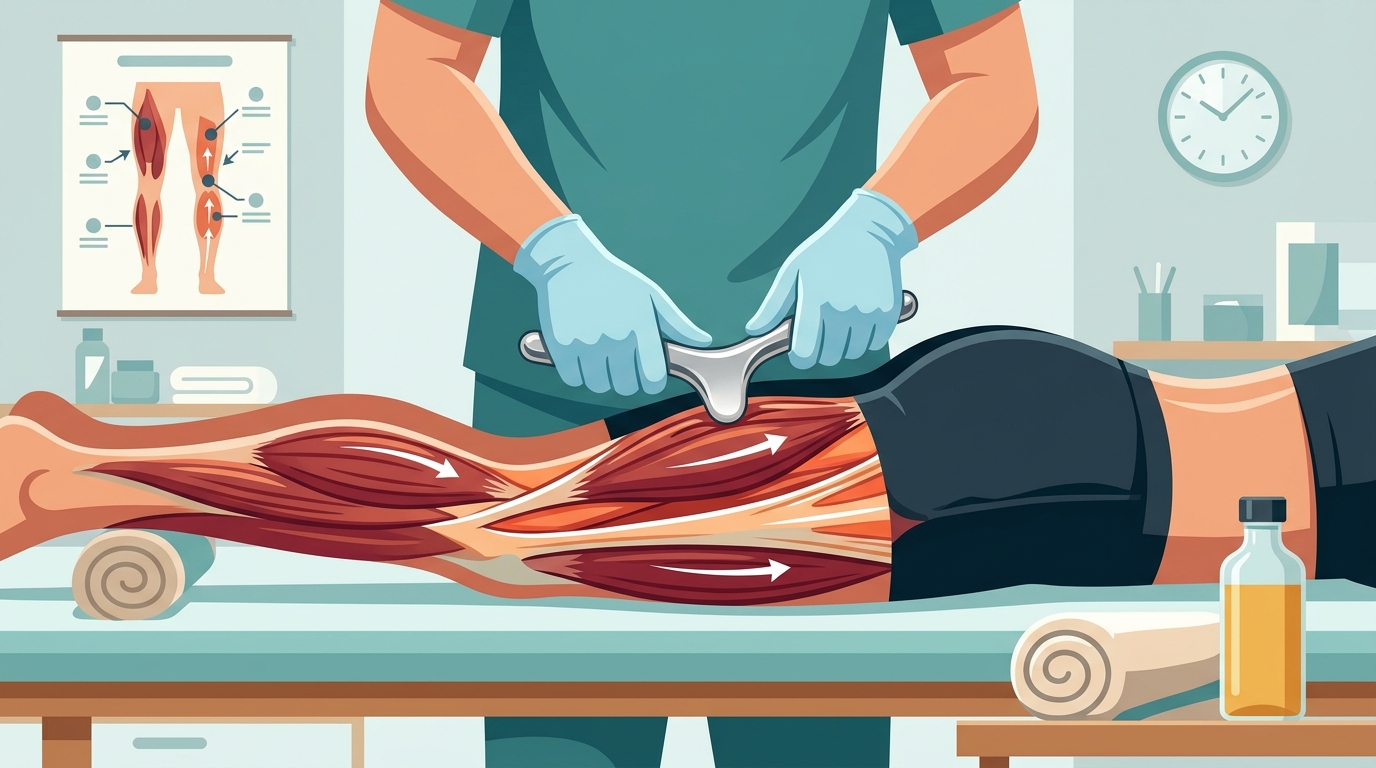
Once the trigger points are identified, the therapist applies gentle, sustained pressure to the area. This pressure is held for several minutes, allowing the muscle fibers to gradually relax. The goal is not to cause pain but to encourage the muscle to release its tension.
Step 3: Gradual Stretching
As the muscle begins to relax, the therapist will gently stretch the tissue to its new, longer length. This step is critical for ensuring that the muscle does not snap back to its previous tight state. The stretching is done slowly and carefully to avoid overstretching the healing tissue.
Step 4: Integration and Movement
Finally, the therapist may guide you through specific movements to integrate the new range of motion. This helps to retrain the neuromuscular system and ensures that the muscle functions correctly in dynamic situations.
According to clinical guidelines, muscle energy techniques are highly effective when combined with passive release methods. This combination ensures that both the muscle and the nervous system are addressed during the treatment.
Common Techniques Explained
Different therapists may use various techniques to achieve muscle release. Below is a comparison of common methods used in sports rehabilitation:
| Technique | Description | Best For |
|---|---|---|
| Graston Technique | Uses specialized instruments to detect and break down scar tissue and fascial restrictions. | Chronic injuries and scar tissue |
| Myofascial Release | Involves applying gentle, sustained pressure to the connective tissue to eliminate pain and restore motion. | General tightness and fascial restrictions |
| Trigger Point Therapy | Focuses on applying pressure to specific hyperirritable spots in the skeletal muscle. | Localized pain and referred pain patterns |
| Neuromuscular Therapy | Combines pressure with specific positioning to calm overactive nerves and muscles. | Nerve-related pain and muscle spasms |
Choosing the right technique depends on the specific nature of your injury. For example, performance rehab protocols often prioritize techniques that restore dynamic function quickly, while chronic pain management may focus more on long-term fascial health.
Integrating Therapy with Rehab
Muscle release therapy is most effective when integrated into a broader rehabilitation program. At United Wellness & Sports Rehab, therapists work closely with patients to create personalized plans that include:
- Physical Therapy: Strengthening exercises to support the released muscles.
- Shockwave Therapy: Using sound waves to stimulate healing in deep tissue.
- Personal Training: Guided workouts to maintain flexibility and strength gains.
This multidisciplinary approach ensures that patients not only recover from their current injury but also build resilience against future ones. Data from exercise physiology research supports the idea that combining manual therapy with active exercise leads to superior outcomes compared to either method alone.
Key Takeaways
- Muscle release therapy targets tight muscle fibers to restore flexibility and reduce pain.
- The protocol involves assessment, sustained pressure, gradual stretching, and integration.
- Techniques like Graston and Myofascial Release offer different benefits for various injury types.
- Integration with physical therapy and personal training enhances long-term recovery.
- Dr. Hirad NajafBagy has been a staple in sports medicine since 1998, bringing extensive expertise to these treatments.
- United Wellness & Sports Rehab serves both elite athletes and active adults in Reston and McLean.
- Early intervention with manual therapy can significantly reduce overall recovery time.
Frequently Asked Questions
How long does a muscle release therapy session take?
Typically, a session lasts between 30 to 60 minutes, depending on the extent of the injury and the areas being treated.
Is muscle release therapy painful?
While you may feel some discomfort during the treatment, it should not be excruciating. The goal is to work within your pain threshold to achieve relaxation.
Can I perform muscle release therapy at home?
While self-myofascial release using foam rollers can be helpful, professional muscle release therapy is more precise and effective for post-injury recovery.
How many sessions will I need?
The number of sessions varies based on the severity of the injury. Most patients see significant improvement within 4 to 6 sessions.
Is this therapy covered by insurance?
Many insurance plans cover muscle release therapy when prescribed as part of a physical therapy or chiropractic treatment plan. Contact your provider for details.
What is the difference between massage and muscle release therapy?
Muscle release therapy is more targeted and focuses on specific trigger points and fascial restrictions, whereas massage is generally more relaxing and full-body oriented.
Can athletes continue training during therapy?
Yes, but activities may need to be modified to avoid aggravating the injured area. Therapists often provide specific guidelines for safe training.
Schedule Your Recovery Session
Recovering from an injury requires patience, expertise, and the right tools. At United Wellness & Sports Rehab, we provide the comprehensive care you need to get back to doing what you love. Whether you are an elite athlete or an active adult, our team is dedicated to helping you achieve optimal flexibility and performance.
Take the first step toward recovery today. Schedule an appointment with our specialists in Reston or McLean to discuss your treatment plan.