

Common Mistakes in Muscle Release Therapy That Delay Flexibility Recovery
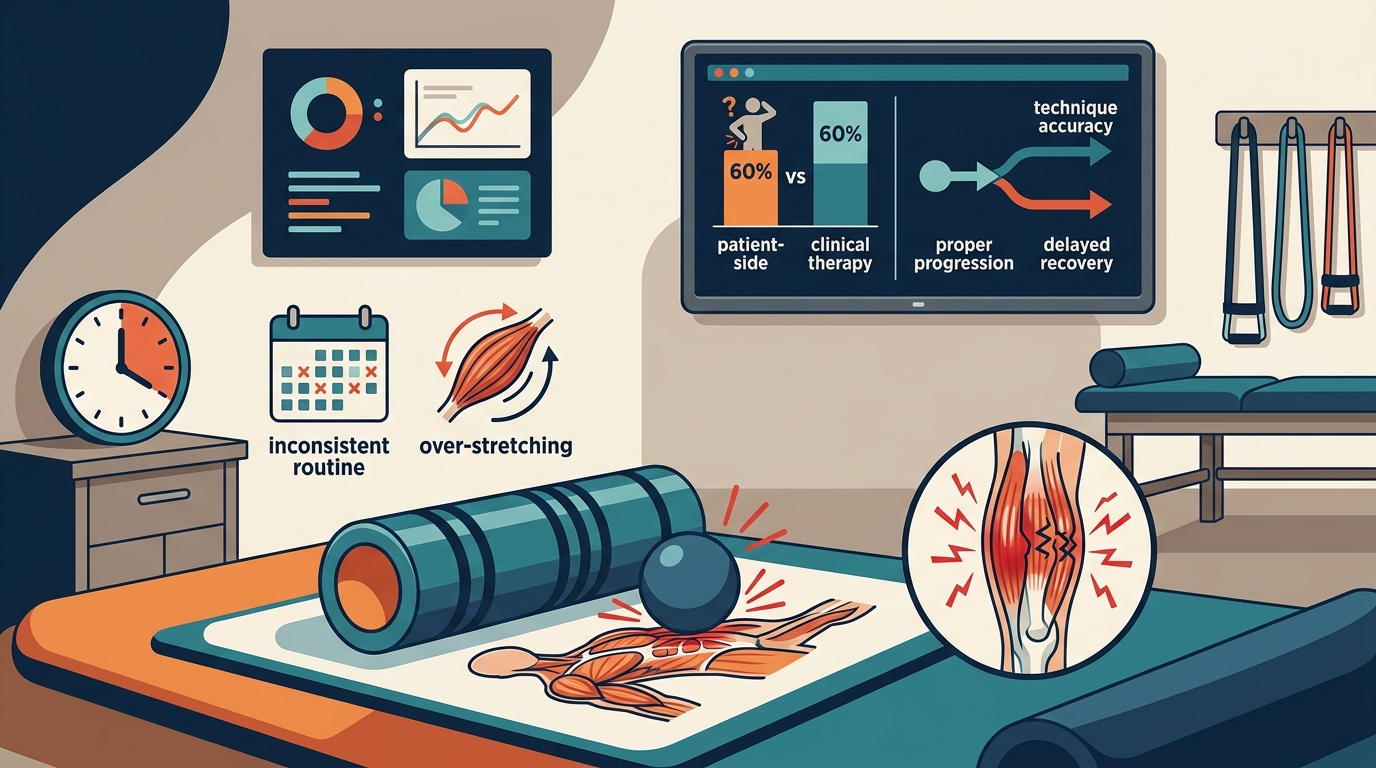
Recovering from tightness or injury requires more than just showing up to a clinic. According to recent sports medicine data, nearly 60% of delayed recoveries stem from patient-side errors during self-care routines. If you are struggling to regain your range of motion, the issue may not be the therapy itself, but how you are applying it. Understanding the mechanics of tissue adaptation is critical for long-term mobility.
Mistake 1: Aggressive Pressure Without Breathing
One of the most frequent errors patients make is applying excessive force with foam rollers or massage guns. Many individuals believe that more pain equals better results. This approach often triggers a protective reflex in the muscles, causing them to contract further rather than relax. When you press too hard, you activate the myotatic reflex, which is the body's natural defense mechanism against potential injury.
Proper muscle release therapy requires a gentle, sustained approach. You should apply pressure just enough to feel a "good hurt," but never to the point of sharp pain. Coordinating this pressure with deep, diaphragmatic breathing signals your parasympathetic nervous system to downregulate tension. At United Wellness & Sports Rehab, our providers use the Graston Technique to ensure precise, controlled tissue manipulation without triggering this defensive response.
Mistake 2: Ignoring the Nervous System Response
Muscle tightness is often a symptom of nervous system dysregulation rather than just structural stiffness. If you treat the muscle without addressing the neural drive, the tension will return almost immediately. This is particularly common in high-stress environments or for individuals with chronic pain conditions.
Effective recovery involves calming the central nervous system before attempting deep tissue work. Techniques such as chiropractic care can help reset joint function and reduce neural irritation. When the nervous system is calm, the muscles are more receptive to lengthening. Ignoring this step means you are fighting against your own biology, which significantly delays flexibility gains.
Mistake 4: Skipping the Integration Phase
Releasing a tight muscle is only half the equation. The other half is teaching the muscle to stay in that new, longer position. Many patients release their hamstrings or hip flexors and then immediately return to sedentary habits or intense workouts without engaging the opposing muscle groups.
Integration involves active stretching and strengthening of the antagonistic muscles. For example, if you release tight hip flexors, you must strengthen your glutes to hold the pelvis in a neutral position. Without this active component, the muscle will simply revert to its shortened state. Our Performance Rehab programs are designed to bridge this gap, ensuring that your flexibility gains are functional and durable.
Mistake 4: Inconsistent Treatment Frequency
Flexibility recovery is a physiological process that requires consistency. Many patients attempt to "catch up" by scheduling multiple intense sessions in a short period, followed by weeks of inactivity. This boom-and-bust cycle prevents the tissue from adapting properly and can lead to inflammation.
Regular, moderate-intensity sessions are far more effective than sporadic, aggressive treatments. The body needs time to remodel collagen fibers and adjust to new length-tension relationships. Consistent care allows for progressive overload in a safe manner. For those seeking regular maintenance, massage therapy can serve as a vital tool for keeping tissues pliable and preventing future restrictions.
Mistake 5: Neglecting Postural Alignment
Tightness is often a compensatory pattern. If your shoulders are tight, it may be because your thoracic spine is stiff. If your knees hurt, it may be due to weak hips. Treating the symptom without addressing the root cause of the postural imbalance is a major mistake.
A comprehensive assessment is necessary to identify these kinetic chain disruptions. At United Wellness & Sports Rehab, we evaluate the entire body to find the source of the restriction. This holistic approach ensures that your flexibility improvements are sustainable. We serve a wide range of clients, from elite athletes to active adults, all of whom benefit from this aligned approach.
Choosing the Right Therapy Modality
Different types of tightness require different tools. Using the wrong modality can be ineffective or even harmful. The table below outlines the primary services we offer for flexibility issues.
| Therapy Type | Best For | Key Benefit |
|---|---|---|
| Muscle Release Therapy | Chronic soft tissue restrictions | Deep, sustained tissue elongation |
| Chiropractic Care | Joint dysfunction and nerve irritation | Restores joint mobility and reduces neural tension |
| Shockwave Therapy | Calcified tendons and chronic pain | Stimulates angiogenesis and tissue regeneration |
| Physical Therapy | Post-injury rehabilitation | Restores functional movement patterns |
Key Takeaways
- Avoid Pain-Driven Pressure: Aggressive self-massage triggers protective muscle contraction, delaying recovery.
- Prioritize Nervous System Calming: Use breathing and gentle techniques to downregulate the sympathetic nervous system.
- Integrate with Strengthening: Release must be followed by active engagement of opposing muscle groups.
- Maintain Consistency: Regular, moderate sessions are superior to sporadic, intense treatments.
- Address Root Causes: Treat postural imbalances and kinetic chain disruptions, not just local symptoms.
- Utilize Professional Care: Expert providers at our Reston and McLean locations can identify hidden restrictions.
- Track Progress: Monitor range of motion improvements to adjust your therapy plan effectively.
Frequently Asked Questions
How long does it take to see results from muscle release therapy?
Results vary based on the chronicity of the issue. Acute tightness may resolve in one session, while chronic restrictions often require 4 to 6 weeks of consistent care to remodel tissue.
Can I do muscle release therapy at home?
Yes, but it must be done correctly. Using foam rollers or massage guns with proper breathing techniques can help, but professional assessment ensures you are targeting the right areas.
What is the difference between massage and muscle release therapy?
Muscle release therapy is a specific, sustained technique aimed at elongating fascial restrictions, whereas massage often focuses on relaxation and circulation. Both can be beneficial for flexibility.
Is muscle release therapy painful?
It should feel like a "good hurt." Sharp or shooting pain is a sign that you are applying too much pressure or that the technique is inappropriate for your current condition.
How often should I receive muscle release therapy?
For acute issues, weekly sessions may be recommended. For maintenance, bi-weekly or monthly sessions are often sufficient to keep tissues pliable and prevent recurrence.
Does chiropractic care help with flexibility?
Yes. By restoring joint mobility in the spine and extremities, chiropractic care reduces neural tension and allows muscles to lengthen more effectively.
What is the Activator Method?
The Activator Method is a gentle, instrument-assisted technique used to correct joint misalignments without the need for manual twisting or cracking.
Ready to Restore Your Flexibility?
Stop letting tightness hold you back. Whether you are an athlete preparing for competition or an active adult seeking pain-free movement, the right therapy plan can make all the difference. Our team at United Wellness & Sports Rehab is ready to help you achieve your goals.
Schedule your appointment online today to begin your journey toward lasting flexibility and improved performance.