
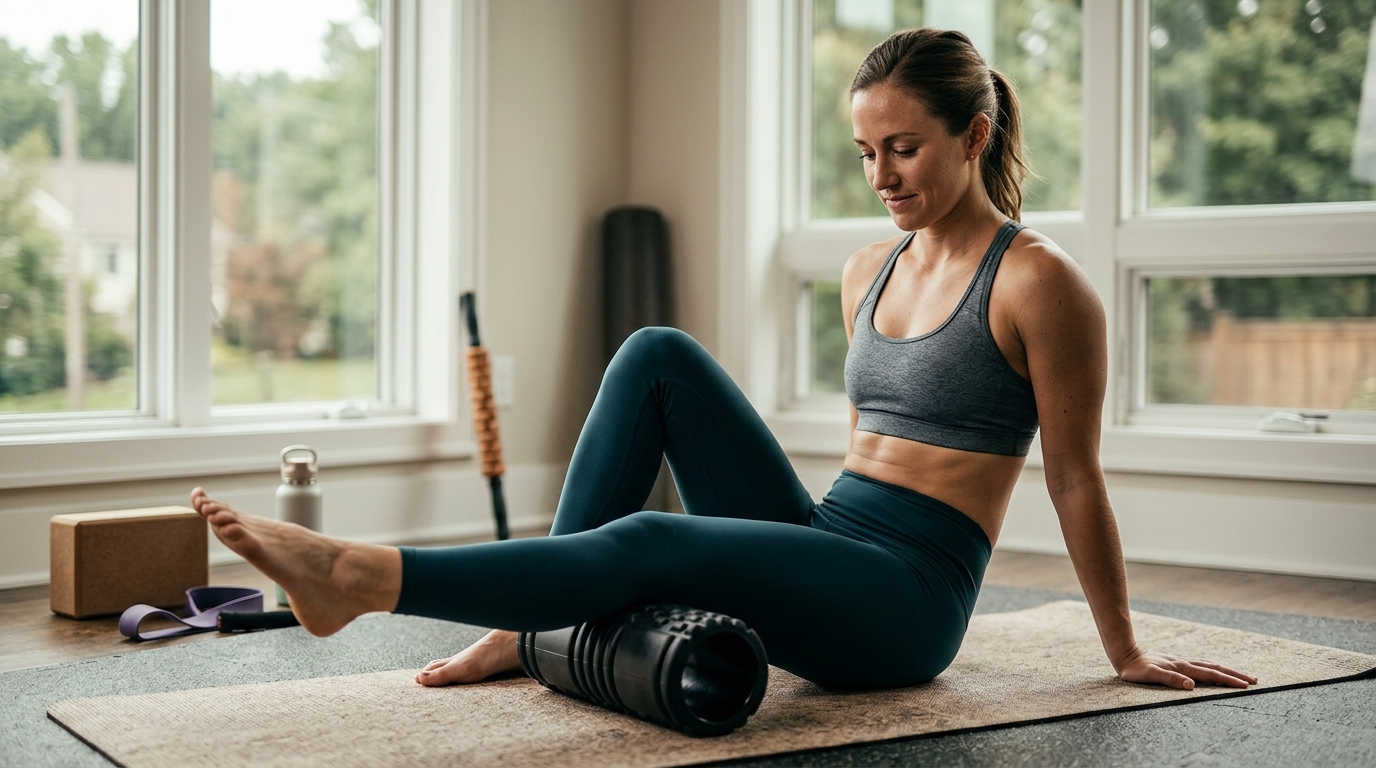
How to Perform Muscle Release Therapy for Sports Injuries at Home
Sports injuries often stem from accumulated tension rather than a single acute event. According to recent clinical observations, overuse injuries account for a significant percentage of athletic downtime, with many cases directly linked to restricted muscle elasticity and trigger points. Understanding how to perform muscle release therapy at home can bridge the gap between professional treatment sessions and daily recovery. This guide provides a structured approach to self-myofascial release, helping you manage pain and restore mobility safely.
Understanding Muscle Release Therapy
Muscle release therapy is a manual technique designed to alleviate tension in the soft tissues surrounding the skeletal system. It targets the fascia, a connective tissue network that envelops muscles, bones, and organs. When fascia becomes tight or adhered due to injury or repetitive strain, it restricts movement and causes pain. Muscle release therapy is a therapeutic method used to reduce muscle tension and improve range of motion.
At United Wellness & Sports Rehab, we utilize this technique as part of a broader performance rehab strategy. The goal is not merely to relax the muscle but to reset the neuromuscular junction. This allows the muscle to function efficiently again. By addressing the root cause of orthopedic issues, patients can prevent recurring injuries. Our holistic approach ensures that every patient feels better and gets to the root of their symptoms, as noted by long-term patients.
Essential Tools for Home Release
While professional hands-on therapy is irreplaceable, self-administered tools can maintain progress between visits. The right tool depends on the depth of tissue you need to address and the specific area of the body.
| Tool Type | Best For | Pressure Level | Usage Tip |
|---|---|---|---|
| Foam Roller | Large muscle groups (quads, back) | Low to Medium | Roll slowly over the area for 30-60 seconds. |
| Massage Ball | Feet, glutes, trigger points | Medium to High | Hold pressure on tight spots for 20-30 seconds. |
| Graston Tool | Specific scar tissue or adhesions | High | Requires professional application for safety. |
| Activator Method | Precise joint alignment | Controlled Impact | Used by chiropractors for targeted adjustments. |
For deep tissue work, a lacrosse ball or specialized massage ball is often more effective than a foam roller. It allows you to pinpoint exact trigger points. If you have access to tools like the Graston Technique instruments, note that these are typically reserved for clinical settings due to the precision required. However, simple manual pressure with your thumbs or knuckles can also be highly effective for smaller areas.
Step-by-Step Release Protocol
Performing muscle release therapy incorrectly can lead to bruising or increased inflammation. Follow this protocol to ensure safe and effective self-treatment.
1. Warm Up the Tissue
Never apply deep pressure to cold muscles. Begin with 5-10 minutes of light cardio, such as jogging in place or jumping jacks. This increases blood flow to the area, making the fascia more pliable. Warm tissue responds better to release techniques and reduces the risk of micro-tears.
2. Identify Trigger Points
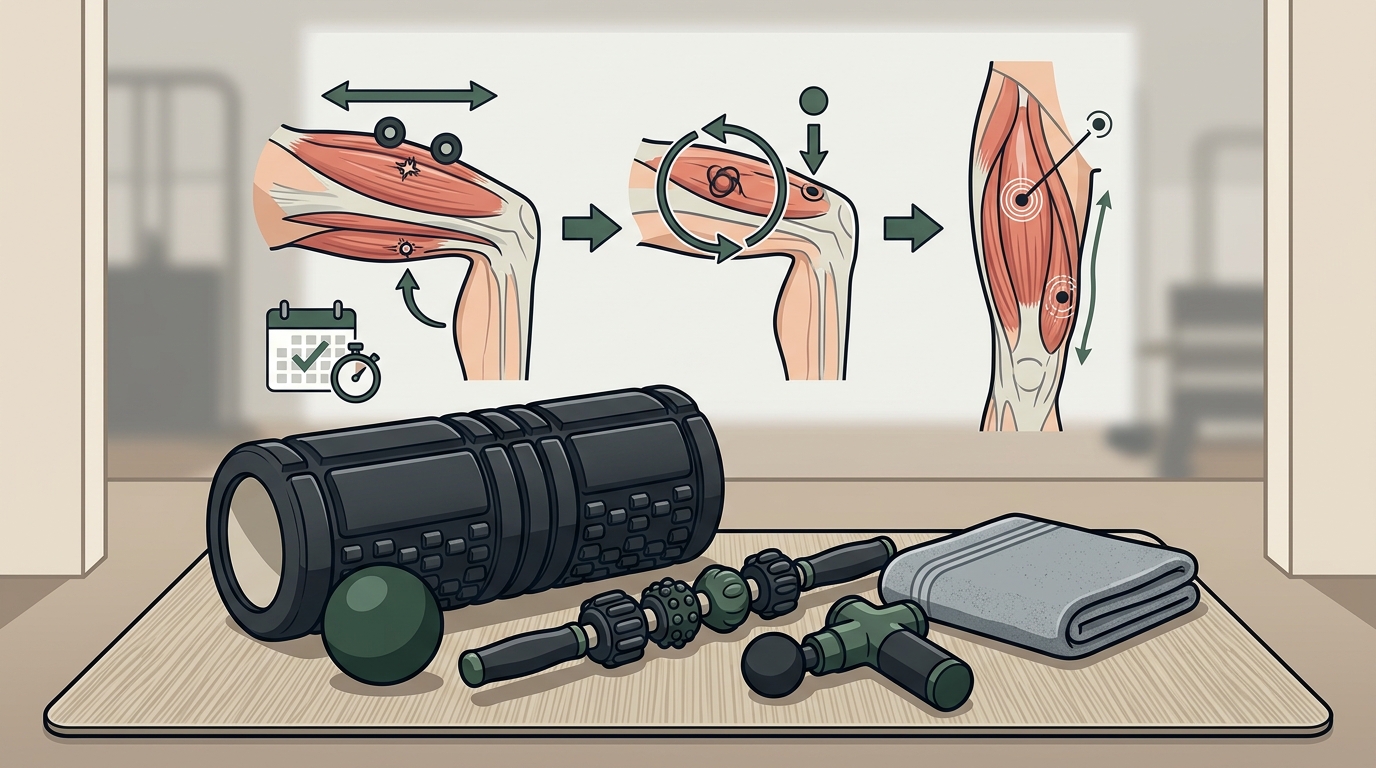
Use your fingers to palpate the muscle. Look for areas that feel tight, knotted, or tender. These are your trigger points. Trigger points are hyperirritable spots in the skeletal muscle that are associated with palpable nodules in taut bands. Mark these areas mentally or with a pen if necessary.
3. Apply Controlled Pressure
Position your tool (roller, ball, or hand) over the trigger point. Apply pressure gradually. You should feel a "good hurt" sensation, but never sharp or shooting pain. If the pain is sharp, reduce the pressure immediately. Hold the pressure for 30 to 90 seconds. You will often feel the tension begin to release as the tissue softens.
4. Stretch and Mobilize
After releasing the tension, gently stretch the muscle. For example, if you released your hamstrings, perform a seated forward fold. This helps the muscle fibers realign in their new, longer position. Combine this with deep breathing to activate the parasympathetic nervous system, which promotes relaxation and healing.
5. Hydrate and Rest
Drink plenty of water after your session. Hydration helps flush out metabolic waste products released from the muscle tissue. Allow your body 24 hours to adapt to the changes before repeating the intense release on the same area.
Targeting Key Injury Zones
Different sports injuries require different release strategies. Here are common areas affected by overuse and how to address them.
Iliotibial (IT) Band
The IT band is a thick band of fascia running down the outside of the thigh. Tightness here is a common cause of runner's knee. Use a foam roller to glide from the hip to just above the knee. Avoid rolling directly over the knee joint. Focus on the upper thigh where the band attaches to the hip.
Plantar Fascia
Plantar fasciitis causes heel pain and is prevalent in active adults. Use a frozen water bottle or a massage ball to roll under the arch of your foot. The cold helps reduce inflammation while the rolling breaks up adhesions. Perform this for 5-10 minutes daily for best results.
Upper Trapezius and Neck
Stress and poor posture often lead to tension in the neck and shoulders. Use a tennis ball against a wall to target the upper traps. Lean into the ball and gently move your head to find tight spots. Hold for 30 seconds. This technique is particularly effective for those who spend long hours at a desk.
Glutes and Piriformis
Piriformis syndrome can mimic sciatica pain. Sit on a massage ball and lean slightly to the affected side. Find the tender spot in the gluteal muscle and hold pressure. This helps relieve pressure on the sciatic nerve and improves hip mobility.
Safety Protocols and Contraindications
While self-myofascial release is generally safe, certain conditions require professional intervention. Contraindications are specific conditions or factors that make a treatment inadvisable.
- Acute Injuries: Do not apply deep pressure to a fresh sprain, strain, or fracture. This can worsen inflammation and bleeding.
- Open Wounds or Infections: Avoid any area with broken skin, rashes, or signs of infection.
- Deep Vein Thrombosis (DVT): Never massage a leg with suspected DVT. This can dislodge a blood clot, leading to life-threatening complications.
- Nerve Pain: If you experience shooting, electric-shock-like pain, stop immediately. This indicates nerve involvement, which requires careful assessment by a chiropractor or physical therapist.
At United Wellness & Sports Rehab, we prioritize patient safety above all. Our team is trained to identify these red flags during your initial evaluation. If you are unsure about your condition, consult our new patient guidelines before attempting aggressive self-treatment.
Integration with Professional Care
Home therapy is a supplement to, not a replacement for, professional care. Our clinic offers a comprehensive suite of services designed to accelerate recovery.
Chiropractic Care focuses on spinal alignment and nervous system function. By ensuring your joints move correctly, we reduce the compensatory tension that leads to muscle tightness. Our chiropractic care services include the Activator Method for precise, low-force adjustments.
Physical Therapy addresses functional movement patterns. We help you correct imbalances that contribute to injury. Our physical therapy programs are tailored to your specific sport or activity, ensuring you return to peak performance.
Performance Rehab bridges the gap between healing and athletic excellence. We work with elite athletes and weekend warriors alike to fine-tune their bodies. Our performance rehab protocols are designed to prevent re-injury and enhance strength.
Dr. Hirad NajafBagy, a staple on the D.C. United medical staff since 1998, emphasizes the importance of a holistic approach. His expertise helps players stay healthy and perform at their best. We apply this same level of care to every patient, from active adults to those recovering from car accidents.
Key Takeaways
- Muscle release therapy targets fascia to reduce tension and improve mobility.
- Always warm up tissues before applying deep pressure to prevent injury.
- Use appropriate tools like foam rollers for large muscles and massage balls for trigger points.
- Hold pressure on trigger points for 30-90 seconds until the tension releases.
- Avoid deep massage on acute injuries, open wounds, or areas with suspected DVT.
- Home therapy should complement, not replace, professional chiropractic and physical therapy.
- United Wellness & Sports Rehab offers specialized services for athletes and active adults.
Frequently Asked Questions
How often should I perform muscle release therapy?
You can perform gentle self-myofascial release daily, especially after workouts. However, deep tissue work should be limited to 2-3 times per week to allow the tissues to recover. Listen to your body and adjust frequency based on your pain levels.
Can muscle release therapy help with back pain?
Yes, releasing tension in the glutes, hamstrings, and hip flexors can significantly alleviate lower back pain. Tightness in these areas often pulls on the pelvis, causing spinal misalignment. Our chiropractic care team can help identify the root cause of your back pain.
Is it normal to feel sore after muscle release?
Mild soreness for 24-48 hours is normal, similar to post-workout soreness. However, sharp pain or bruising is not. If you experience severe pain, reduce the pressure or frequency of your sessions. Consult our physical therapy specialists if pain persists.
What is the difference between massage and muscle release therapy?
Massage therapy often focuses on relaxation and circulation, while muscle release therapy targets specific trigger points and fascial restrictions to restore function. Both are valuable, but muscle release is more targeted for injury recovery.
How long does it take to see results?
Results vary depending on the severity of the injury. Some patients feel immediate relief, while others may need several weeks of consistent therapy. Our performance rehab programs are designed to provide measurable progress over time.
Can I use a tennis ball for self-myofascial release?
Yes, a tennis ball is an excellent tool for targeting smaller areas like the feet, hands, and glutes. It provides a concentrated point of pressure that is ideal for trigger points. For larger areas, a foam roller is more effective.
What services does United Wellness offer for sports injuries?
We offer chiropractic care, physical therapy, performance rehab, massage therapy, shockwave therapy, and personal training. Our team works with athletes, active adults, and patients recovering from car accidents or workers' comp claims.
Schedule Your Evaluation
Do not let sports injuries hold you back. Whether you are an elite athlete or an active adult, proper muscle release and professional care can restore your health. United Wellness & Sports Rehab is dedicated to helping you fine-tune your body and achieve your wellness goals. Our team is ready to provide the expert care you need.
Visit our Reston or McLean office to schedule your appointment today. Take the first step toward a pain-free life by booking your consultation online. We are here to help you recover efficiently and return to the activities you love.