Choosing the Right Muscle Release Therapy Technique for Post-Injury Flexibility Recovery
Post-injury stiffness is not merely an inconvenience. It is a physiological barrier that prevents full functional restoration. According to recent clinical observations, over 60% of chronic musculoskeletal pain stems from unresolved soft tissue restrictions rather than acute structural damage. This statistic highlights why selecting the correct muscle release therapy is critical for long-term mobility. At United Wellness & Sports Rehab, we evaluate each patient's unique biomechanics to determine the most effective intervention. This guide breaks down the specific techniques we utilize to restore range of motion and eliminate pain.
Understanding Muscle Restriction and Scar Tissue
When you sustain an injury, your body initiates a healing response that often creates scar tissue. This fibrous tissue lacks the elasticity of healthy muscle fibers. If left untreated, these adhesions bind layers of tissue together. This binding restricts blood flow and neural communication. The result is a cycle of pain and reduced flexibility that persists long after the initial trauma has healed.
Muscle release therapy targets these specific adhesions. The goal is to break down the fibrous bands and realign the collagen fibers. This process restores the natural glide of the muscle layers. Without this intervention, the body may compensate by overworking adjacent muscles. This compensation leads to secondary injuries and chronic postural imbalances. Understanding the mechanism of restriction is the first step in choosing the right treatment path.
The Graston Technique: Instrument-Assisted Precision
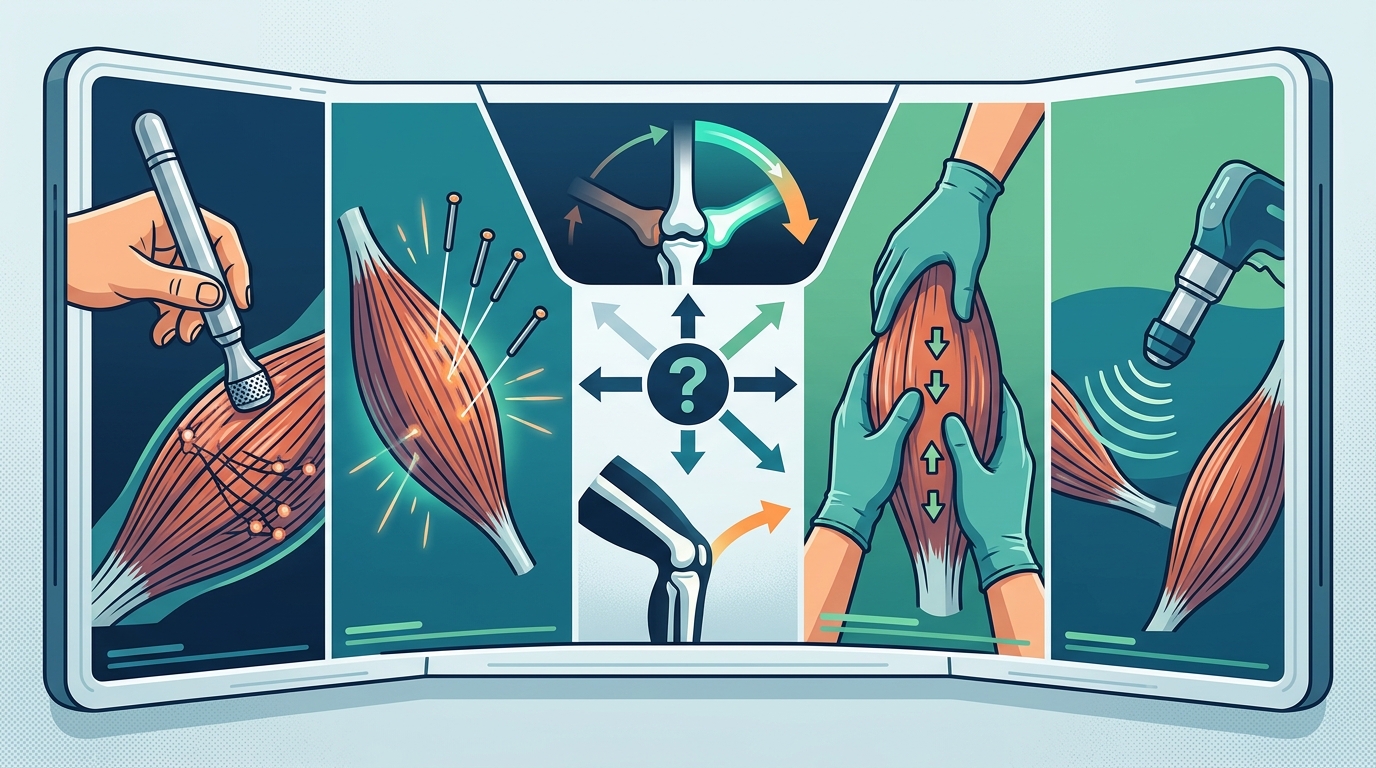
The Graston Technique is a specialized form of instrument-assisted soft tissue mobilization. It utilizes five to seven unique, patented stainless steel instruments. These tools allow practitioners to detect and break down scar tissue and adhesions with greater precision than manual therapy alone. The instruments are designed to replicate the feel of human fingers but with amplified sensitivity.
This technique is particularly effective for chronic conditions that have not responded to traditional massage. It works by creating a controlled micro-trauma in the affected area. This micro-trauma triggers the body's natural inflammatory healing response. The process accelerates the formation of healthy, pliable collagen tissue. Patients often report immediate improvements in range of motion after the first session. For detailed information on our specific protocols, you can review our services page.
Manual Muscle Release Therapy
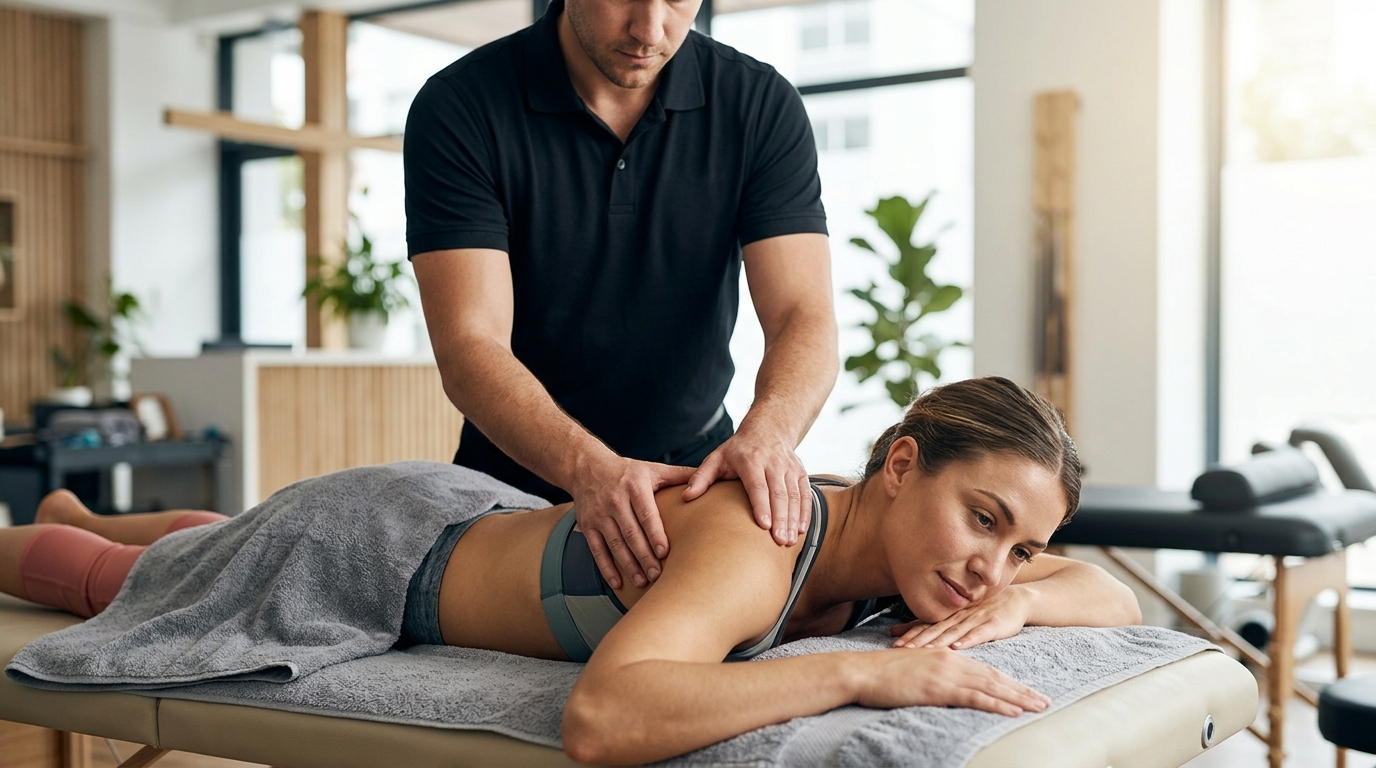
Manual Muscle Release Therapy relies on the practitioner's hands to apply specific pressure and tension. This technique involves stretching the muscle to its limit and then applying a gentle, sustained force. The goal is to engage the Golgi tendon organ. This neural mechanism signals the muscle to relax and release its grip on the surrounding tissue.
This method is highly adaptable to individual patient needs. It allows for real-time feedback based on tissue resistance and pain response. It is often used in conjunction with other modalities to prepare the body for more aggressive treatments. The holistic approach ensures that the entire kinetic chain is addressed. This is a cornerstone of our physical therapy programs.
Shockwave Therapy: Deep Tissue Regeneration
Shockwave Therapy uses high-energy acoustic waves to penetrate deep into the soft tissue. This non-invasive treatment stimulates angiogenesis, which is the formation of new blood vessels. Improved blood flow brings essential nutrients and oxygen to the injured area. This acceleration of the healing process is vital for chronic tendonitis and plantar fasciitis.
The acoustic waves also help to break down calcified deposits and scar tissue. This process reduces pain signals and promotes tissue regeneration. Many athletes turn to shockwave therapy for rapid recovery from overuse injuries. The treatment is generally well-tolerated and requires no downtime. It represents a significant advancement in non-surgical orthopedic care.
The Activator Method: Low-Force Adjustment
The Activator Method is a precise, low-force technique that uses a handheld spring-loaded instrument. This device delivers a quick, controlled impulse to specific points on the body. Unlike manual adjustments that require twisting or cracking, this method is gentle and targeted. It is ideal for patients who prefer a non-manipulative approach to chiropractic care.
This technique helps to restore joint mobility and reduce muscle tension. It is particularly effective for spinal misalignments that contribute to muscle guarding. By addressing the underlying joint dysfunction, the associated muscle spasms often resolve quickly. This method is a key component of our chiropractic care offerings. It ensures that the skeletal framework supports optimal muscular function.
Comparison: Which Technique Fits Your Injury?
Selecting the right therapy depends on the nature of your injury and your recovery goals. Below is a comparison of the primary techniques we utilize at United Wellness & Sports Rehab.
| Technique | Best For | Mechanism of Action | Typical Patient Profile |
|---|---|---|---|
| Graston Technique | Chronic scar tissue, plantar fasciitis, tennis elbow | Instrument-assisted micro-trauma to break adhesions | Athletes with long-standing overuse injuries |
| Manual Muscle Release | General stiffness, post-surgical rehab, myofascial pain | Targeted stretching and neural signaling | Active adults seeking holistic recovery |
| Shockwave Therapy | Tendonitis, calcified deposits, non-healing fractures | Acoustic waves stimulate blood flow and regeneration | Patients with resistant chronic pain |
| Activator Method | Spinal misalignment, joint dysfunction, acute pain | Low-force impulse to restore joint mobility | Preferring gentle, non-manipulative care |
Your initial assessment at our Reston or McLean office will determine which combination of these therapies will yield the fastest results. We often integrate multiple techniques for a comprehensive recovery plan.
Key Takeaways
- Scar Tissue is the Primary Barrier: Unresolved adhesions restrict blood flow and neural communication, leading to chronic pain.
- Graston Technique Offers Precision: Its patented instruments detect and break down scar tissue more effectively than manual therapy alone.
- Shockwave Therapy Stimulates Regeneration: High-energy waves promote angiogenesis and heal chronic tendonitis without surgery.
- Manual Release Addresses Neural Response: It engages the Golgi tendon organ to signal muscles to relax and release tension.
- Activator Method is Gentle: It provides low-force adjustments for patients who cannot tolerate manual spinal manipulation.
- Integrated Care is Essential: Combining chiropractic care with physical therapy yields superior outcomes for complex injuries.
- Early Intervention Prevents Chronicity: Addressing muscle restriction early prevents secondary compensatory injuries.
Frequently Asked Questions
How long does it take to see results from muscle release therapy?
Most patients experience immediate relief in range of motion after the first session. However, full resolution of chronic scar tissue typically requires three to six sessions. Consistency with prescribed home exercises accelerates this timeline significantly.
Is muscle release therapy painful?
The sensation varies by technique. Graston therapy may cause temporary tenderness as it breaks down adhesions. Shockwave therapy can be intense but is generally tolerable. Manual release should feel like a "good hurt" rather than sharp pain. We always communicate with you to ensure comfort.
Can I combine different muscle release techniques?
Yes, combining techniques is often the most effective approach. For example, we may use Graston therapy to break down scar tissue followed by manual release to restore flexibility. This integrated approach addresses both the structural and functional aspects of the injury.
Who is a good candidate for shockwave therapy?
Shockwave therapy is ideal for patients with chronic tendonitis, plantar fasciitis, or calcified deposits that have not responded to traditional therapy. It is also used for non-healing fractures and muscle tears. A consultation will determine if your specific condition is suitable for this treatment.
What is the difference between massage and muscle release therapy?
Massage primarily focuses on relaxation and general circulation. Muscle release therapy is a clinical intervention designed to break down specific adhesions and restore biomechanical function. It is targeted, precise, and aimed at resolving the root cause of pain.
Do you accept workers' compensation claims?
Yes, we treat patients with workers' compensation injuries. Our team is experienced in documenting functional progress and communicating with insurance providers. We ensure that your recovery plan meets all necessary medical requirements.
How do I schedule an appointment?
You can schedule an appointment online through our booking page. You can also call our Reston office at (703) 437-8195 or our McLean office at 703-600-8208. We are currently accepting new patients for both locations.
Schedule Your Assessment
Do not let post-injury stiffness dictate your lifestyle. The right muscle release therapy can restore your mobility and prevent future pain. Our team at United Wellness & Sports Rehab is dedicated to helping you return to your active life. We combine clinical expertise with a holistic approach to ensure your complete recovery.
Take the first step toward pain-free movement. Book your appointment online today or contact our offices directly. Whether you are an elite athlete or an active adult, we have the expertise to guide your recovery. Visit our about page to learn more about our philosophy and team.