
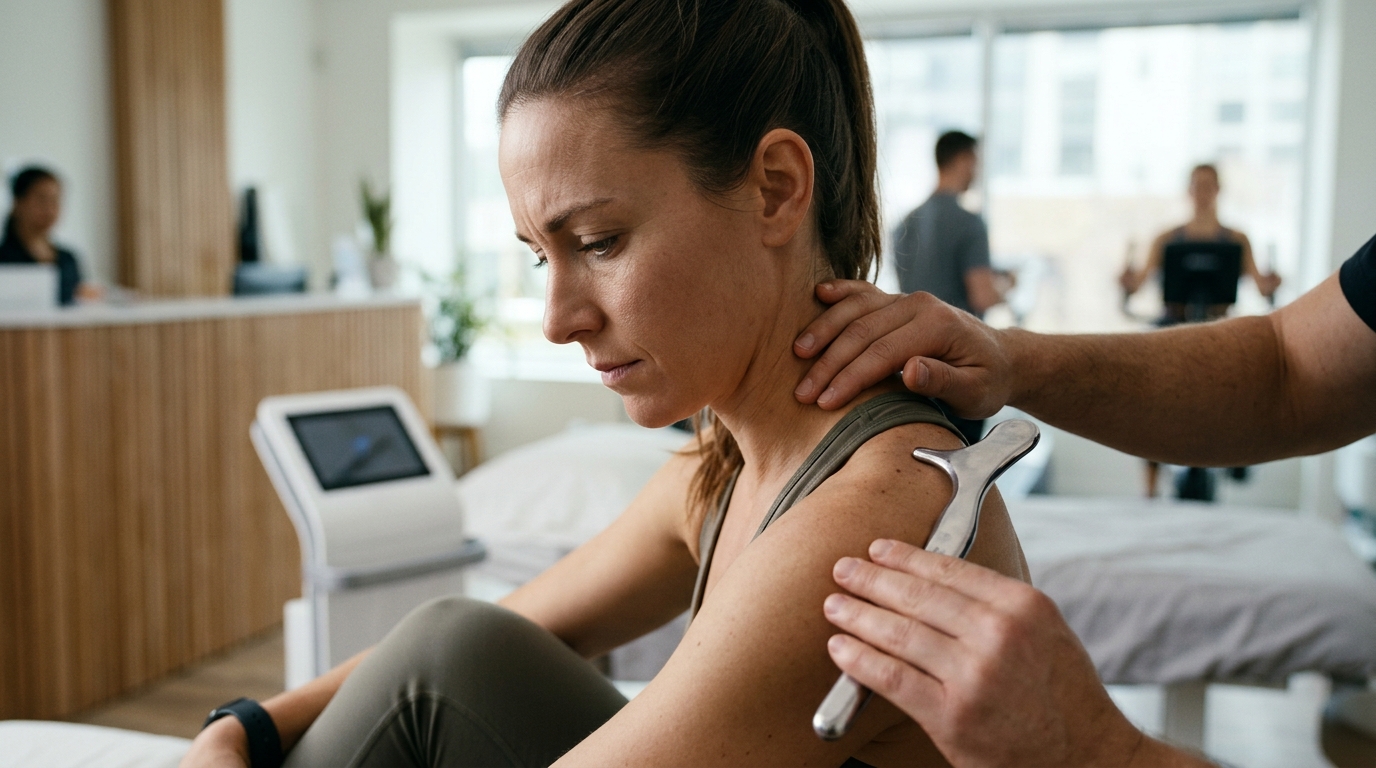
Weekend warriors often face recurring injuries due to inconsistent training and high-intensity bursts. United Wellness Center in Reston and McLean, VA, provides specialized care to address these issues. This listicle outlines the most effective treatment methods for fixing recurring sports injuries. For additional details, review the unitedwellnesscenter com.
1. Chiropractic Adjustments
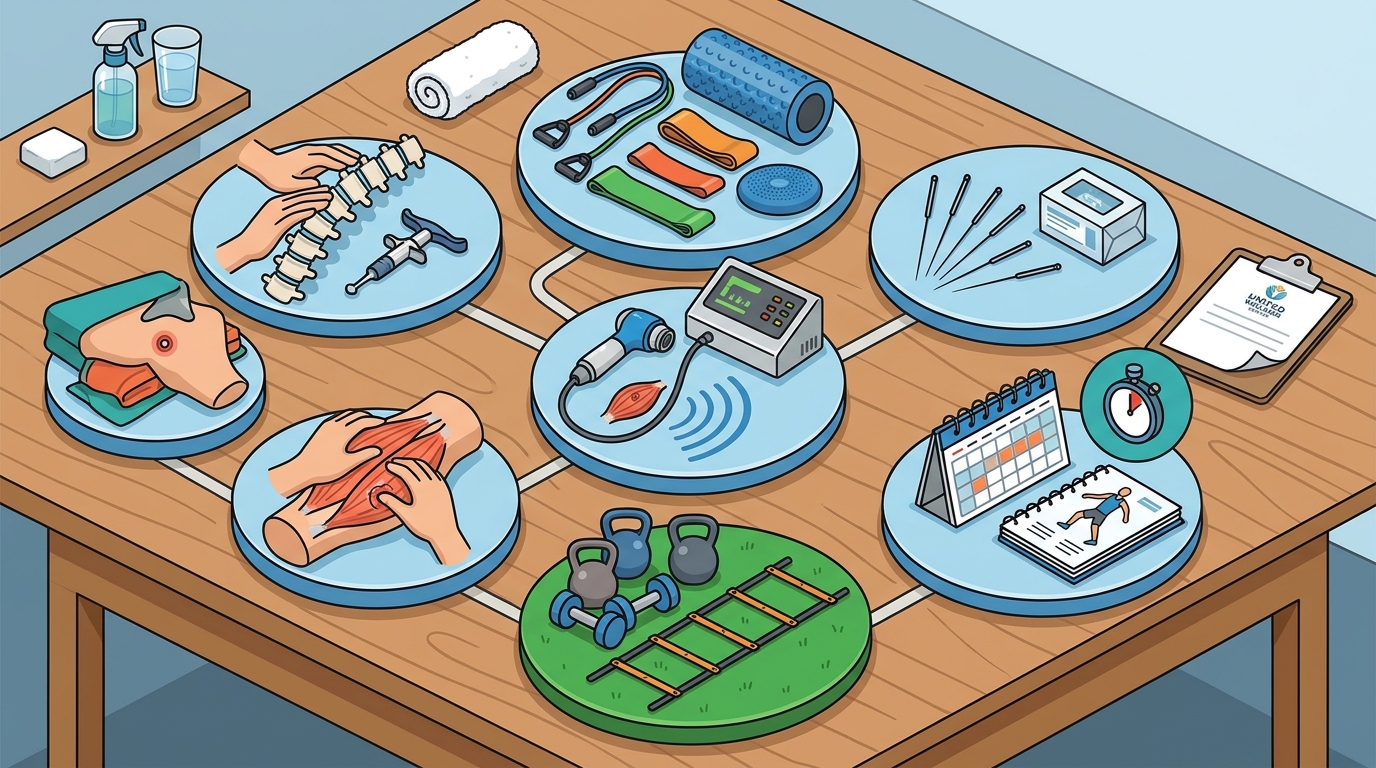
Restoring spinal alignment reduces compensatory strain on joints. Chiropractic care focuses on the musculoskeletal system to improve function. By correcting misalignments, practitioners can alleviate pressure on nerves and muscles. This approach is particularly effective for athletes experiencing back or neck pain. For additional details, review the .
2. Physical Therapy
Targeted exercises rebuild strength and prevent future episodes. Physical therapy is a structured program designed to restore movement and function. Therapists create personalized plans that address the root cause of the injury. Consistent participation in these sessions helps athletes return to their sport safely. For additional details, review the Customer Experience.
3. Sports Therapy
Specialized manual techniques accelerate tissue healing. Sports therapy involves hands-on treatments to manage soft tissue injuries. It combines massage, stretching, and mobilization to reduce pain. This method is ideal for athletes who need immediate relief before returning to activity. For additional details, review the Frequently Asked Questions.
4. Shockwave Therapy
5. Dry Needling
Trigger point release reduces muscle tension and pain. Dry needling is a technique that inserts thin needles into specific points in the muscle. It helps release tight bands of tissue known as trigger points. This can significantly reduce pain and improve range of motion for weekend athletes. For additional details, review the About.
6. Performance Rehab
Functional training ensures athletes are ready for competitive demands. Performance rehab goes beyond basic recovery to enhance athletic capability. It focuses on agility, power, and endurance specific to the athlete's sport. This phase is crucial for preventing re-injury during high-intensity games.
7. Massage Therapy
Soft tissue manipulation improves circulation and flexibility. Massage therapy is a foundational treatment for muscle recovery. It helps reduce inflammation and promote relaxation. Regular sessions can maintain tissue health and prevent stiffness between games.
Choosing the Right Method
Selecting the appropriate treatment depends on the specific injury and the athlete's goals. A combination of these methods often yields the best results. Consulting with a specialist ensures a tailored approach to your recovery.
Frequently Asked Questions
How often should I receive chiropractic care for recurring injuries?
Frequency depends on the severity of the injury and your response to treatment. Initially, weekly sessions may be recommended, tapering off as you improve.
Is Shockwave Therapy painful?
Most patients report a tolerable sensation, often described as a deep pressure or tingling. It is generally well-tolerated without anesthesia.
Can I continue playing while undergoing physical therapy?
It depends on the injury. Your therapist will guide you on safe activities and modifications to prevent re-injury.
What is the difference between sports therapy and massage?
Sports therapy is more specialized and focuses on injury management and performance, while massage is broader and often focuses on relaxation and general circulation.
How long does it take to see results from Dry Needling?
Many patients experience immediate relief, but a series of sessions is often needed for long-term improvement in chronic conditions. Learn more: unitedwellnesscenter com.