Chronic musculoskeletal pain affects millions of active individuals, often resisting traditional rest and ice protocols. According to recent clinical data, extracorporeal shockwave therapy (ESWT) has emerged as a non-invasive solution for overuse injuries, with studies indicating significant pain reduction in up to 70% of patients with chronic tendinopathies. This guide explores how this advanced modality works, who qualifies for treatment, and what to expect during your recovery journey at a specialized sports rehab facility.
What Is Shockwave Therapy?
Shockwave therapy is a non-invasive medical treatment that uses high-energy acoustic waves to stimulate healing in injured tissues. It is not a new technology, but its application in sports medicine has expanded significantly in recent years. The therapy delivers sound waves through the skin to the affected area, triggering a biological response that promotes tissue regeneration and reduces pain.
At centers like United Wellness & Sports Rehab, this modality is often integrated into a broader treatment plan that includes chiropractic care and physical therapy. The goal is not just to mask pain but to address the root cause of the injury by stimulating the body's natural healing processes. This approach is particularly effective for conditions that have become chronic and resistant to conventional treatments.
The Mechanism of Action
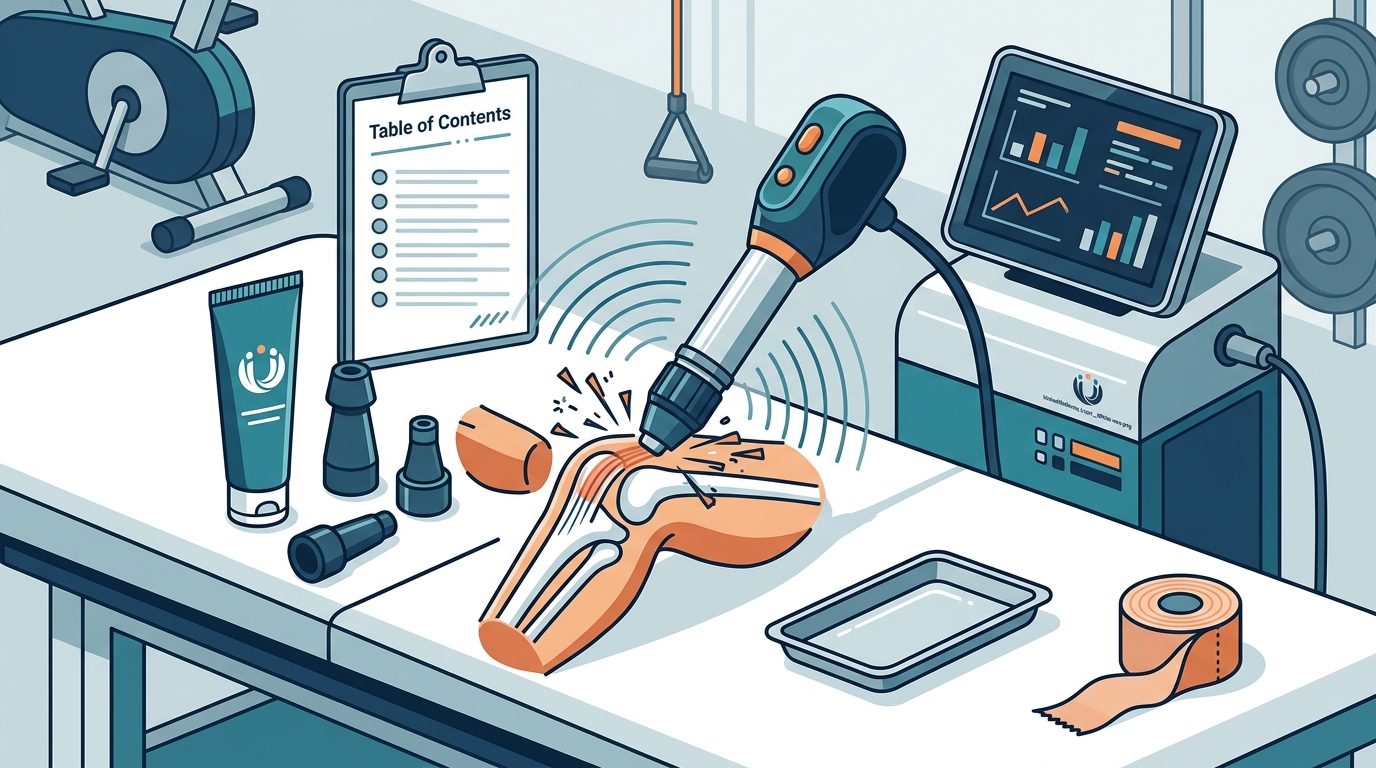
Understanding how shockwave therapy works requires looking at the cellular level. The high-energy waves create micro-traumas in the targeted tissue. This controlled injury triggers an inflammatory response, which is the first step in the healing process. The body responds by increasing blood flow to the area, bringing oxygen and nutrients necessary for repair.
Neovascularization, or the formation of new blood vessels, is a critical outcome of this process. Improved circulation helps to clear out metabolic waste products that contribute to pain and stiffness. Additionally, the therapy stimulates the release of growth factors and stem cells, which accelerate tissue repair and regeneration. This biological cascade is what makes shockwave therapy effective for chronic conditions that have stalled in their healing phase.
Research published in medical journals suggests that the mechanical stress from the waves also helps to break down calcifications in tendons, which is particularly beneficial for conditions like calcific tendinitis. This breakdown allows the body to reabsorb the calcium deposits, restoring normal tendon function.
Common Sports Injuries Treated
Shockwave therapy is versatile and can be applied to various musculoskeletal conditions. It is most commonly used for tendon-related issues, which are prevalent among athletes and active adults. The following conditions are frequently treated with this modality:
- Plantar Fasciitis: Heel pain caused by inflammation of the tissue connecting the heel bone to the toes.
- Achilles Tendinopathy: Degeneration of the Achilles tendon, often due to overuse.
- Tennis Elbow (Lateral Epicondylitis): Pain on the outer part of the elbow caused by repetitive arm movements.
- Patellar Tendinitis: Inflammation of the tendon connecting the kneecap to the shinbone.
- Shoulder Impingement: Pain caused by the rotator cuff tendons rubbing against the shoulder blade.
At United Wellness & Sports Rehab, patients with these conditions often see significant improvements after a series of treatments. The clinic serves a diverse clientele, from elite athletes to weekend warriors, ensuring that each treatment plan is tailored to the individual's specific needs and activity level.
Benefits vs. Traditional Physical Therapy
While physical therapy remains a cornerstone of sports rehabilitation, shockwave therapy offers distinct advantages for certain conditions. Traditional physical therapy focuses on strengthening muscles and improving flexibility to support injured joints. Shockwave therapy, on the other hand, targets the tissue itself to promote healing.
One of the primary benefits of shockwave therapy is its non-invasive nature. Unlike surgery, it does not require incisions, anesthesia, or a lengthy recovery period. Patients can typically resume their normal activities immediately after treatment, although they may need to avoid high-impact exercises for a short period. This makes it an attractive option for athletes who need to minimize downtime.
Another advantage is its effectiveness for chronic conditions. When physical therapy alone fails to resolve persistent pain, shockwave therapy can provide the additional stimulus needed to jumpstart healing. It is often used as an adjunct to physical therapy, enhancing the overall treatment outcome. For more information on how these modalities work together, you can explore our Physical Therapy services.
The Treatment Process at United Wellness
Undergoing shockwave therapy is a straightforward process. During your initial consultation at United Wellness, a specialist will evaluate your injury and determine if you are a suitable candidate for this treatment. Factors such as the location of the injury, the duration of symptoms, and your overall health will be considered.
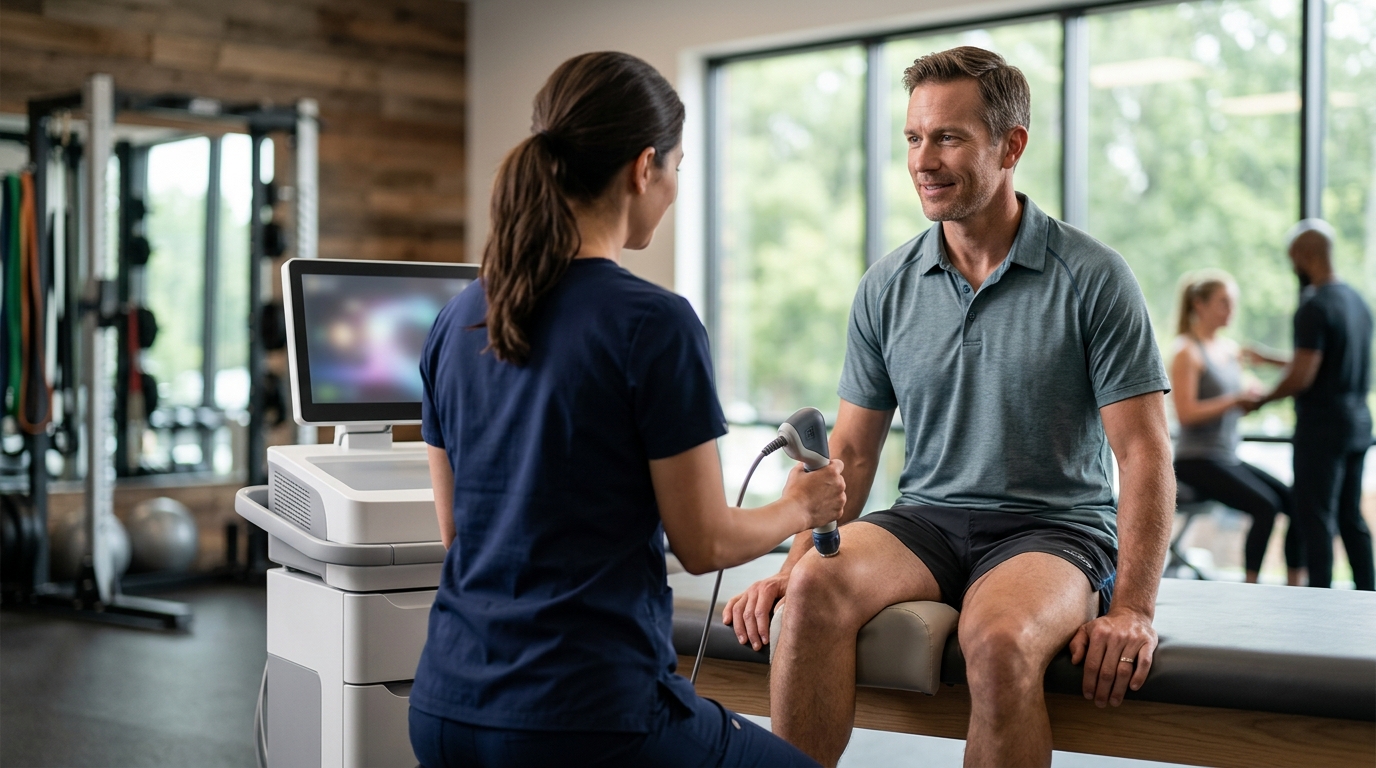
During the treatment, a gel is applied to the skin to facilitate the transmission of the sound waves. The therapist then uses a handheld device to deliver the shockwaves to the targeted area. The procedure typically lasts between 10 to 20 minutes, depending on the size of the treatment area. Most patients report feeling a mild to moderate discomfort during the session, but the pain is generally tolerable and subsides quickly after the treatment.
After the session, you may experience some soreness or bruising at the treatment site. This is a normal part of the healing process and usually resolves within a few days. Your therapist will provide specific post-treatment instructions, which may include rest, ice application, and gentle stretching. A series of treatments is often recommended to achieve optimal results, with sessions spaced one to two weeks apart.
For those interested in a holistic approach to recovery, Chiropractic Care can complement shockwave therapy by ensuring proper spinal alignment and joint function, further enhancing the healing process.
Key Takeaways
- Shockwave therapy uses high-energy acoustic waves to stimulate healing in chronic musculoskeletal injuries.
- The treatment promotes neovascularization, breaking down calcifications, and releasing growth factors.
- It is effective for conditions such as plantar fasciitis, Achilles tendinopathy, and tennis elbow.
- United Wellness & Sports Rehab offers this therapy as part of a comprehensive sports rehab program.
- The procedure is non-invasive, with minimal downtime and a high success rate for chronic conditions.
- Treatment is often combined with physical therapy and chiropractic care for optimal results.
- Patients should consult with a specialist to determine if they are a suitable candidate for this therapy.
Frequently Asked Questions
Is shockwave therapy painful?
Most patients report feeling a mild to moderate discomfort during the treatment. The sensation is often described as a tapping or throbbing feeling. However, the pain is generally tolerable and subsides quickly after the session. Your therapist can adjust the intensity of the waves to ensure your comfort.
How many sessions are needed?
The number of sessions required varies depending on the severity and duration of the injury. Typically, patients undergo three to five sessions, spaced one to two weeks apart. Some chronic conditions may require additional treatments for optimal results.
Can shockwave therapy be combined with other treatments?
Yes, shockwave therapy is often used in conjunction with physical therapy, chiropractic care, and massage therapy. This integrated approach addresses both the tissue healing and the biomechanical factors contributing to the injury.
Are there any side effects?
Side effects are generally mild and temporary. They may include soreness, bruising, or swelling at the treatment site. These symptoms usually resolve within a few days. Serious side effects are rare when the treatment is performed by a qualified professional.
Who is a good candidate for shockwave therapy?
Good candidates are individuals with chronic musculoskeletal pain that has not responded to conventional treatments. This includes athletes, active adults, and individuals with conditions like plantar fasciitis, tennis elbow, and Achilles tendinopathy. A consultation with a specialist is necessary to determine suitability.
How long does it take to see results?
Results vary from patient to patient. Some individuals experience pain relief after the first session, while others may need to complete the full series of treatments before noticing significant improvements. The healing process continues for several weeks after the final session.
Is shockwave therapy covered by insurance?
Insurance coverage for shockwave therapy varies by provider and plan. It is advisable to check with your insurance company to determine if the treatment is covered. United Wellness & Sports Rehab can also assist with verifying benefits and providing necessary documentation.
Ready to Start Your Recovery?
If you are suffering from a chronic sports injury, shockwave therapy may be the solution you have been looking for. At United Wellness & Sports Rehab, our team of specialists is dedicated to helping you achieve optimal health and performance. We offer personalized treatment plans that combine the latest therapeutic modalities with expert care.
Do not let pain hold you back from the activities you love. Take the first step towards recovery by scheduling a consultation with our team. Visit our New Patients page to learn more about our services and how we can help you.