
Inside the Professional Athlete Recovery Protocol at a Sports Therapy Clinic
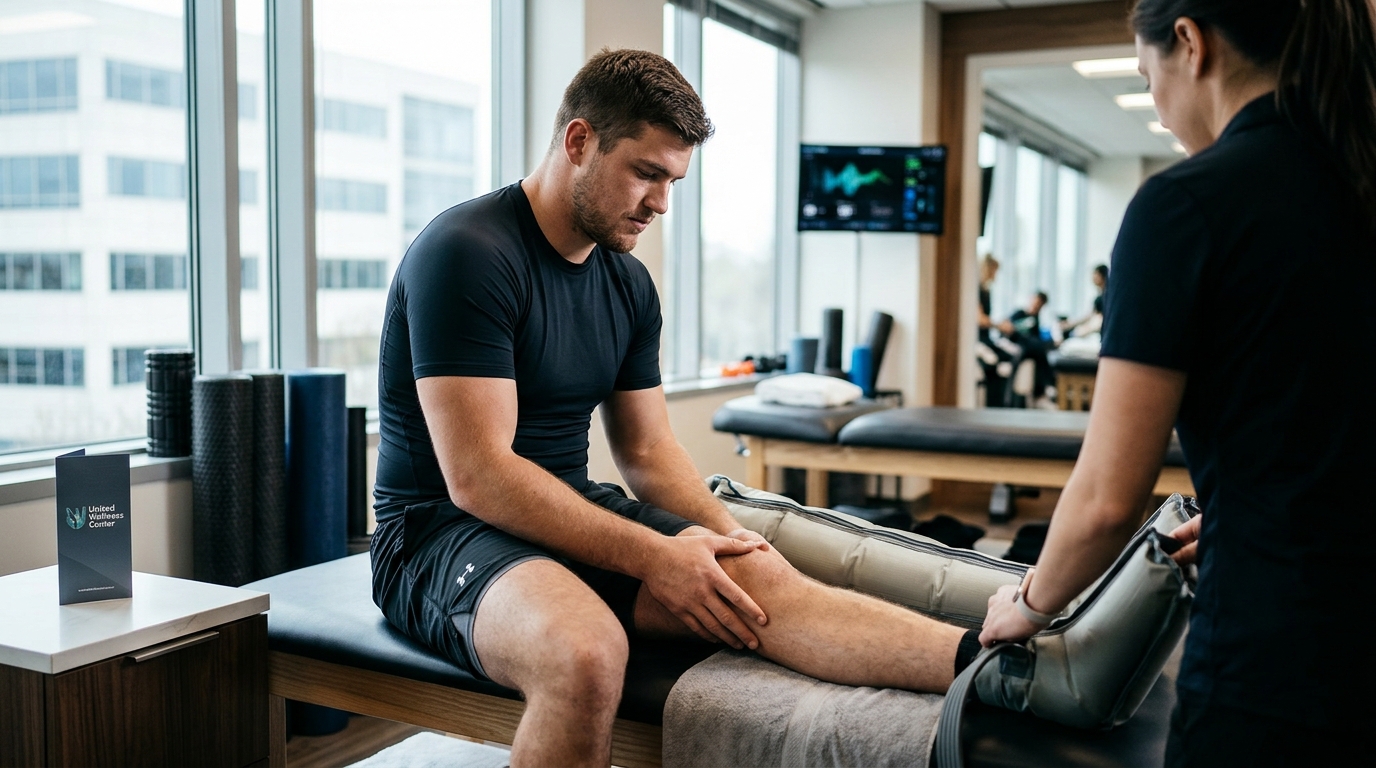
Professional athlete recovery is a structured, multidisciplinary process that integrates medical care, physical therapy, and performance science to restore function and prevent reinjury. At United Wellness Center in Reston and McLean, Virginia, this process moves beyond simple pain management to focus on measurable physiological and biomechanical milestones. The goal is to return the athlete to peak performance safely, using evidence-based interventions tailored to the specific demands of their sport. according to International Journal of For additional details, review the Just a moment.
The Multidisciplinary Care Model
The primary goal of this model is to facilitate clear communication among all members of the sports medicine team. When providers share a unified plan, the athlete receives consistent guidance, reducing confusion and accelerating the timeline for return to sport. At United Wellness Center, this model is applied to professional teams, ensuring that the care provided aligns with the high demands of elite competition. For additional details, review the Customer Experience.
Acute Phase: Managing Inflammation and Pain
In the immediate aftermath of an injury, the focus shifts to controlling inflammation and managing pain. Cryotherapy, also known as cold therapy, is a common intervention used to reduce swelling and protect healing tissues. Research indicates that brief exposure to cold temperatures can help mitigate the inflammatory response. For instance, some high-performance centers use cryotherapy machines that expose the body to extremely low temperatures for short durations to accelerate initial healing. For additional details, review the Frequently Asked Questions.
However, the acute phase is not just about ice. It involves careful monitoring of tissue response and the introduction of gentle movement to prevent stiffness. Early exercises enhance tissue oxygenation and nutrition, which are vital for the healing process. By minimizing unnecessary muscle atrophy and aligning collagen fibers, the body becomes better prepared to withstand the stresses of future training. This phase lays the foundation for the more intensive rehabilitation that follows. For additional details, review the About.
Progressive Rehabilitation and Strength Building
As the acute phase concludes, the focus transitions to progressive rehabilitation. This stage involves a structured exercise program designed to restore strength, power, and stability. Progression through this program is often facilitated by a physical therapist or a certified athletic trainer who monitors the athlete's response to increasing loads. The aim is to shift the force-velocity curve, maximizing both strength and power qualities essential for athletic performance.
Neuromuscular assessments, such as jump tests and force plate analyses, are increasingly used to guide this progression. These tools provide objective data on an athlete's readiness to handle sport-specific demands. By identifying deficits in strength or power, clinicians can prescribe targeted interventions to address them. This data-driven approach ensures that the athlete is not just pain-free, but physically capable of performing at their highest level.
Psychosocial Support and Mental Resilience
Furthermore, clinicians must be skilled in recognizing a range of psychosocial reactions, from mild stress to more serious concerns like depression or eating disorders. When clinical concerns arise, the sports medicine team refers the athlete to appropriate mental health professionals. This holistic approach ensures that the athlete's mental well-being is protected, which is essential for a successful and sustainable return to sport.
Return-to-Sport Clearance and Performance Optimization
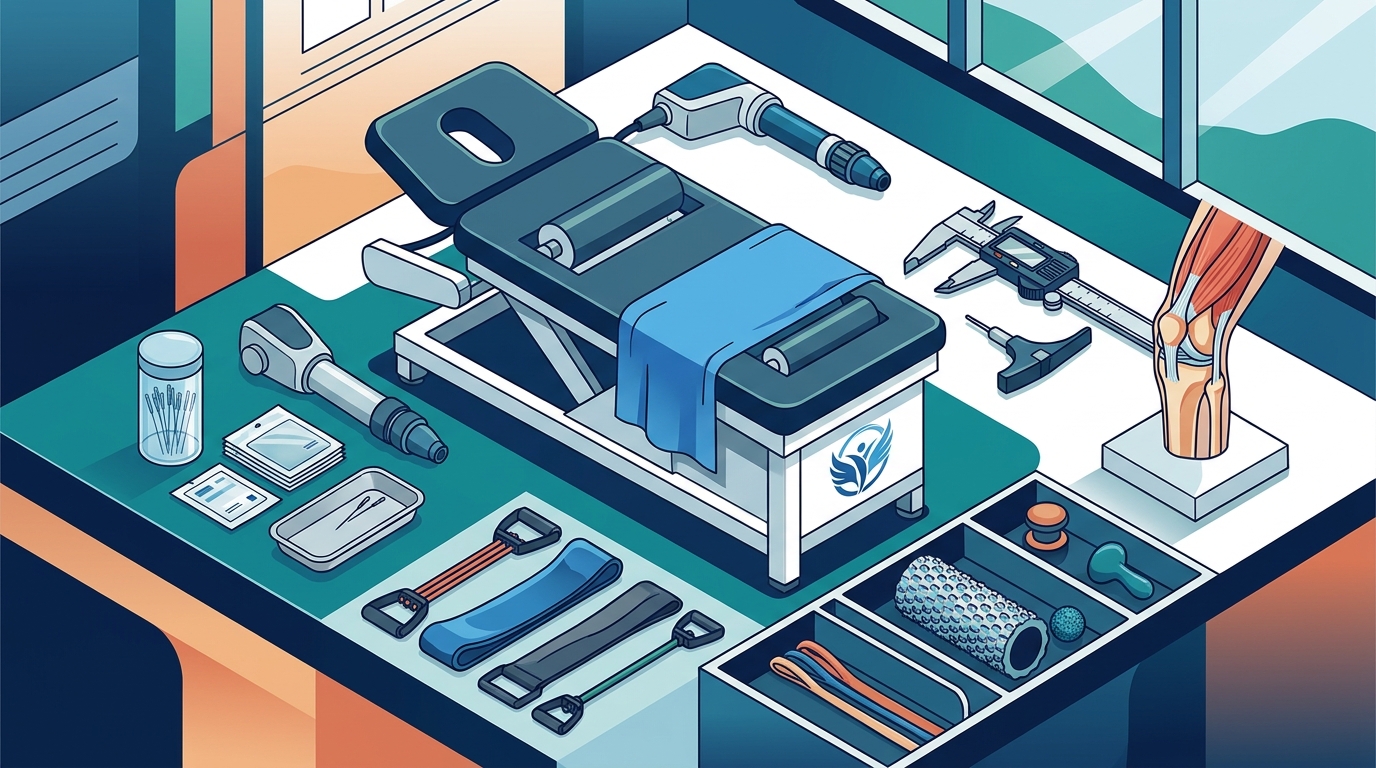
The final stage of recovery is the return-to-sport clearance process. This is not a single event but a continuum of assessments that evaluate an athlete's readiness to resume full training and competition. The primary goal is to ensure that the athlete has regained full function and is at a reduced risk of reinjury. This involves a combination of clinical evaluation, performance testing, and sport-specific drills.
At United Wellness Center, this process is tailored to the specific needs of the athlete and their sport. By integrating medical care with performance care, the clinic ensures that the transition from rehabilitation to competition is smooth and safe. This comprehensive approach is what distinguishes a premier sports therapy clinic from a standard physical therapy practice.
Key Takeaways
- Professional athlete recovery is a multidisciplinary process involving physical therapists, chiropractors, and athletic trainers.
- The acute phase focuses on managing inflammation and pain, often using interventions like cryotherapy.
- Return-to-sport clearance is a continuum of assessments that ensures safe and effective return to competition.
- United Wellness Center in Reston and McLean, VA, provides this comprehensive care for professional teams and individual athletes.
Frequently Asked Questions
How long does professional athlete recovery typically take?
What is the role of a chiropractor in athlete recovery?
Chiropractors focus on spinal and joint alignment, which can optimize movement efficiency and reduce compensatory stress on other body parts. In a multidisciplinary team, they work alongside physical therapists to ensure the athlete's biomechanics are restored to optimal function.
Is cryotherapy effective for all types of injuries?
Cryotherapy is generally effective for managing acute inflammation and pain in soft tissue injuries. However, its use is tailored to the specific injury and phase of healing. Clinicians at United Wellness Center assess each case individually to determine if cold therapy is appropriate.
How does a sports therapy clinic differ from a standard physical therapy clinic?
A sports therapy clinic often focuses on performance optimization and return-to-sport clearance, not just pain relief. They typically employ a multidisciplinary team and use advanced assessment tools to prepare athletes for the high demands of competition.
What is force-velocity profiling?
Force-velocity profiling is a neuromuscular assessment that measures an athlete's strength and power qualities. It helps clinicians identify deficits and prescribe targeted interventions to maximize performance and reduce injury risk.
Conclusion
Professional athlete recovery is a complex journey that requires a comprehensive, evidence-based approach. By integrating medical care, physical therapy, and performance science, a premier sports therapy clinic can help athletes return to their sport safely and at peak performance. United Wellness Center in Reston and McLean, VA, is dedicated to providing this level of care, supporting both professional teams and individual athletes in their recovery and performance goals. Learn more: Just a moment.